icon

Driving Change Together

It’s Time for Development that Lifts Everyone, Not Leaves Some Behind

Inequality is the result of policy choices.

Since 1985, we have connected civil society voices with public policy. Advocating for fair, inclusive development and public policies that promote social justice, especially for vulnerable groups.

Learn History

Our Impact

80
Member
200+
Policy Recommendations
ECOSOC
UN Consultative Status
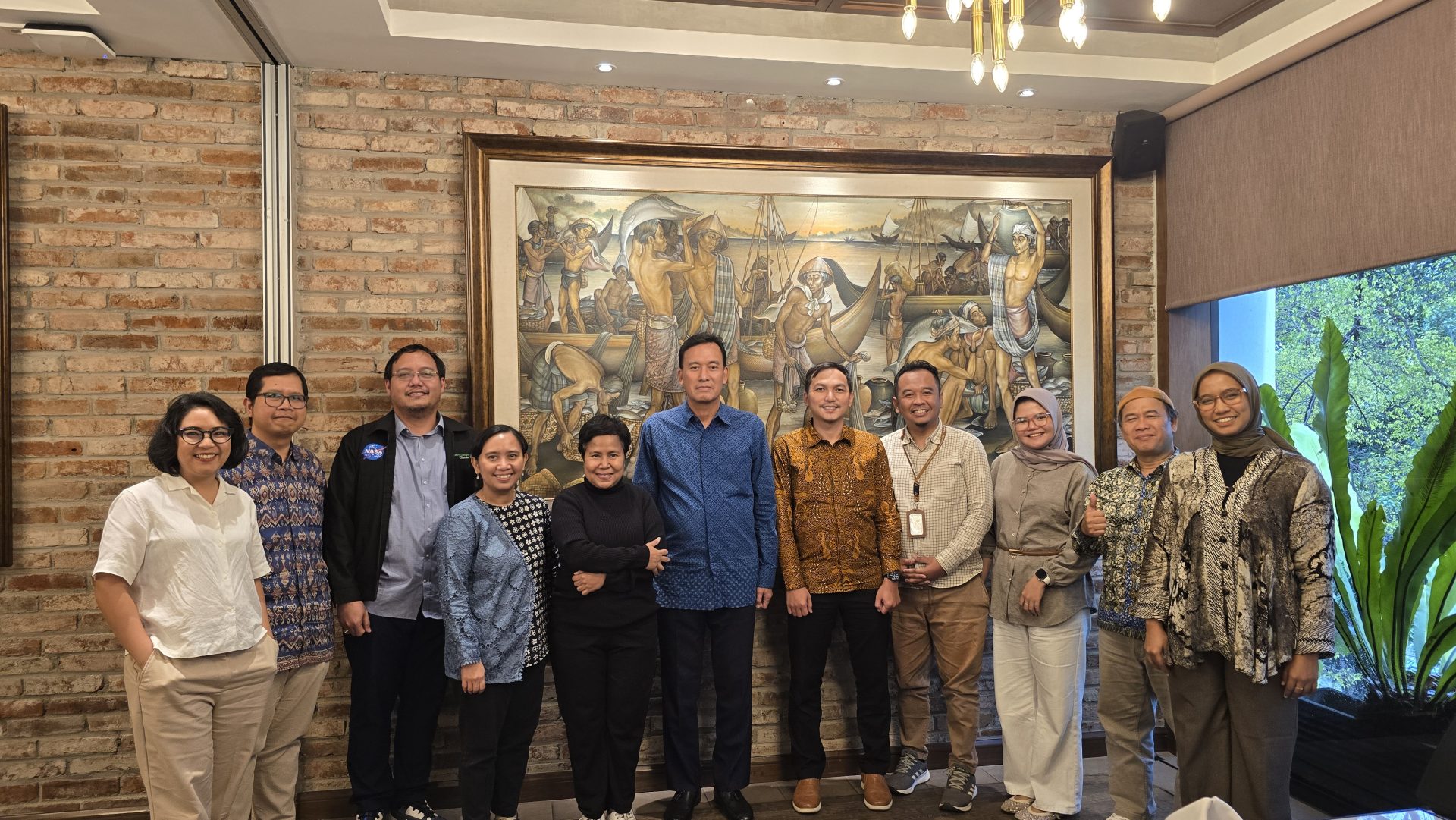
Team Meeting

40+

Years
of Journey

About Us

Guiding Equitable Development.

The International NGO Forum on Indonesian Development (INFID) is a network of civil society organizations established in 1985 and committed to promoting equitable development, democracy, equality, and respect for human rights in Indonesia.

INFID works through an evidence-based, inclusive advocacy approach, focusing on strategic issues such as reducing inequality, implementing the Sustainable Development Goals (SDGs), and strengthening civil society and democracy.

INFID has 80 members throughout Indonesia and is accredited by the United Nations (UN) and holds Special Consultative Status with ECOSOC at the UN.


icon

Has 80 member

Working across the archipelago to collaboratively deepen understanding of public policies that advance social justice.

Bergerak, Berdampak

Stories of change from working together in the field

Each program brings real stories of change. Explore a summary of the impacts, then dive deeper into the full stories, just like reading a blog.

Dari Afsel ke AS: C20 Indonesia Mengawal Hasil G20 2025 dan Mulai Beradvokasi untuk G20 2026

Oleh: Intan Bedisa, Strategic Communication Lead INFID

Tahun 2026 menandai pembukaan siklus kedua Group of Twenty (G20), di bawah Presidensi Amerika Serikat. Seluruh anggota sudah mendapatkan mandat Presidensi pada 2 dekade terakhir, dengan Keketuaan Afrika Selatan menutup s

By Admin 2
11 Seen

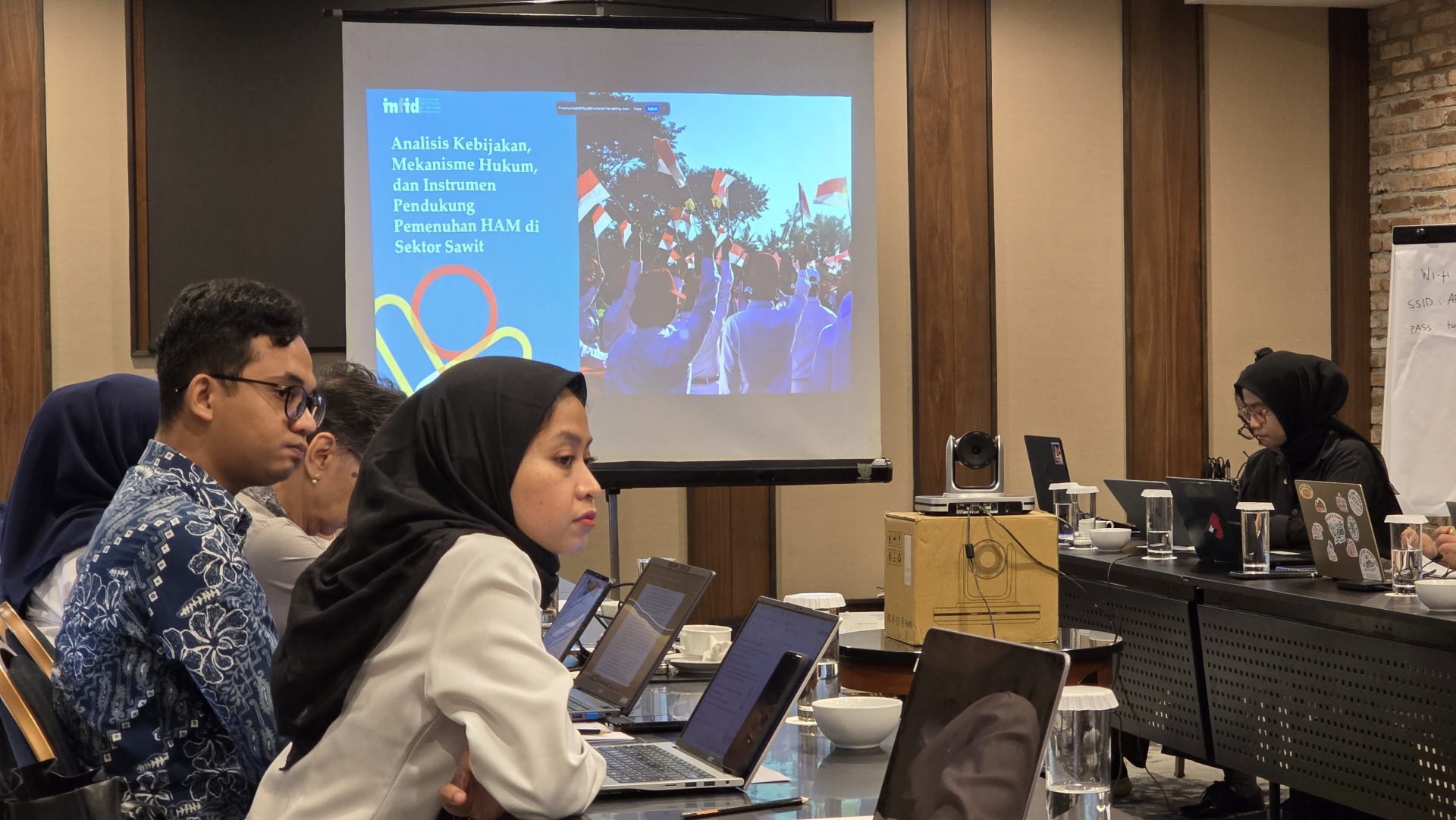
Kebijakan dan Mekanisme Peradilan yang Adil Gender: Perlindungan Hak Pekerja dan Penanganan TPPO Berbasis Kerja Paksa di Perkebunan Kelapa Sawit

By Admin 2
6 Seen

NGO di Era Ketidakpastian Global: Dari Krisis Legitimasi ke Transformasi Gerakan

By Admin 2
5 Seen

Explore all stories Bergerak, Berdampak

Discover more stories of change, learning, and program documentation in article format.

PUBLICATIONS & RESEARCH

Articles

INFID and IBP Indonesia Launch Open Budget Survey 2025 in Jakarta

Jakarta, May 7, 2026 — The International NGO Forum on Indonesian Development (INFID) together with the International Budget Partnership (IBP) Indonesia launched the Open Budget Survey (OBS) 2025 at the Pullman Hotel Thamrin, Jakarta, on Wednesday (7/5). This forum served as a meeting point for two strategic agendas: the launch of global budget governance survey results and the Technical Review phase of Indonesia's accession to the Organisation for Economic Co-operation and Development (OECD).

The forum was attended by Andrew Blazey, Deputy Head of the OECD Public Management and Budgeting Division, as the keynote speaker. Also present were representatives from the Ministry of Finance, Coordinating Ministry for Economic Affairs, embassies of OECD partner countries, civil society organizations, academics, and national media. The event was opened with remarks from INFID Executive Director Siti Khoirun Ni'mah and IBP Indonesia Country Director Yuna Farhan.

The OBS 2025 results placed Indonesia in an honorable position in the region, with an increase in scores across all measured dimensions. In the transparency dimension, Indonesia scored 71 out of 100, up from 70 in the previous survey. In the oversight dimension, Indonesia's score jumped to 74 from 59 previously. In the public participation dimension, the score increased to 33 from 26—but still far below the functional threshold of 61.

Three interconnected pillars

In her presentation, IBP Indonesia Program Coordinator Dede Krishnadianty explained that OBS measures the quality of budget governance through three interconnected pillars: transparency, public participation, and oversight. The survey assesses 83 countries based on 142 indicators examined independently.

"OBS is not a ranking instrument, but a mirror of reform. Each cycle provides an empirical baseline to measure progress in budget governance," said Dede.

Indonesia's position in the region is considered honorable. For transparency, only the Philippines (76) outperformed Indonesia. Cambodia (54), Malaysia (51), and Vietnam (51) lagged far behind. For public participation, Indonesia (33) was also in second place after the Philippines (37). Notably, no ASEAN country surpassed the functional threshold of 61 for this dimension.

Civil society's notes

INFID Deputy Director Bona Tua P.P., in his presentation, conveyed three critical notes from civil society. First, formal transparency has not fully resulted in functional accountability. Second, public participation has not substantively influenced budget decision-making. Third, parliamentary and Supreme Audit Agency (BPK) oversight have not fully driven effective budget utilization.

"This OBS 2025 is a reflection of our journey, not the final report. The three pillars measured by OBS are the same pillars that form the foundation of fiscal democracy," said Bona.

Bona also emphasized the importance of the principle of the right to be informed—the right of citizens to know whether their aspirations are accepted, rejected, or accommodated in the state budget, and for what reasons. Without this principle, public participation will remain symbolic.

INFID has identified three reform priorities: consolidation of state financial reports into a single comprehensive annual document, integration of the Annual Financing Strategy with the state budget documents discussed by the House of Representatives (DPR), and institutionalization of public participation throughout the budget cycle.

Government response

Director of State Budget Preparation at the Ministry of Finance, Rofyanto Kurniawan, appreciated Indonesia's score increase across all dimensions of OBS 2025. He affirmed that the government continues to strengthen budget transparency efforts through various channels, including official websites, social media, outreach to universities, and the regular "APBN Kita" press conferences.

"We must ensure that public participation is not merely a formality. The challenge is how to accommodate public aspirations, including those of the vulnerable and marginalized, and then implement them in budget formulation," said Rofyanto.

The Ministry of Finance is also collaborating with UNICEF and IBP to develop a Landscape Analysis of Public Participation in Public Finance and Budget Process as an effort to enhance public participation in the future budgeting process.

Meanwhile, from the Coordinating Ministry for Economic Affairs, Andi Ulya Witsqa explained the progress of Indonesia's accession process to the OECD. Currently, Indonesia is in the Technical Review stage, where 226 out of 240 OECD legal instruments align with Indonesian regulations and policies. Indonesia will be evaluated through questionnaire circulation and visits from the OECD assessment team throughout 2026.

"Involvement of non-governmental stakeholders, including civil society, is a crucial part of the accession process. The OECD emphasizes effective policy implementation, not just formal adoption," said Andi.

OECD Standards and Budget Governance

In his keynote speech, Andrew Blazey stated that the four Core Principles formulated by the OECD Senior Budget Officials (SBO) Committee are highly consistent with the three pillars measured by OBS. These four principles are: spending better through evidence-based allocation, capacity to face fiscal challenges sustainably, openness and accessibility of public spending, and effective parliamentary oversight coupled with public involvement.

Blazey also highlighted the experiences of peer countries that have completed the accession process—such as Costa Rica and Colombia—where successful reforms were those born from an inclusive process from the outset.

Dialogue forum and follow-up

Following the presentation sessions, the forum continued with an open dialogue between speakers and participants. Several issues emerged, including: the openness of budget documents outside Jakarta, the capacity of the DPR in reviewing the state budget, the role of Bappenas in the National Development Planning Forum (Musrenbang), and the urgency of establishing a Parliamentary Budget Office or an independent fiscal institution, which Indonesia currently lacks.

INFID expressed its commitment to summarizing the dialogue results into a summary note that will be contributed to the National Team for Preparation and Acceleration of Indonesia's Membership in the OECD. This summary note will form part of civil society's input for the ongoing Technical Review process of accession.

"OECD accession is not a ceremonial agenda. It is an agenda for transforming public financial governance. Formal consultation spaces between the National Accession Team and civil society need to be institutionalized so as not to depend on ad-hoc initiatives," said INFID Executive Director Siti Khoirun Ni'mah in her remarks.

By Admin 1
9 Seen
0 Comment

Pat Walsh, the One who never Stop Believing in Humanity

By Admin 2
8 Seen
0 Comment

WEF Davos 2026: Pentingnya Kepemimpinan Presiden Prabowo Hadapi Ketimpangan Global

By Admin 2
1 Seen
0 Comment

Dari Afsel ke AS: C20 Indonesia Mengawal Hasil G20 2025 dan Mulai Beradvokasi untuk G20 2026

By Admin 2
11 Seen
0 Comment
MAIN FOCUS

INFID Programs

INFID programs are designed to strengthen the ecosystem of civil society organizations, democracy, social justice, and the protection of human rights through evidence-based policy advocacy.

Civil Society for Human Rights & Democracy

Strengthening the role of civil society in upholding human rights and ensuring a substantive and violence-free democratic process.

Democratic and Gender-Just Climate Governance

Promoting participatory, transparent and gender-responsive climate policies to ensure justice for vulnerable groups.

Inclusive and Equitable Development

Overseeing the development agenda to ensure equitable benefits, reduce inequality, and leave no one behind.

OUR NETWORK

Power of Members

INFID welcomes organizations and individuals who are committed to and actively engaged in advancing Indonesia’s development.

80 Members creating impact
National & International Recognition

Global Recognition and Collaboration

Ministry of Home Affairs Logo

2017 Community Organisation Awards

Ministry of Home Affairs of the Republic of Indonesia

Recipient of the Social Humanitarian Award for tangible contributions to community development.

UN ECOSOC Logo

Special Consultative Status

UNITED NATIONS ECONOMIC AND SOCIAL COUNCIL

Official consultative status since 2004 (Ref. No: D1035), bringing Indonesia's voice to the global forum.

Logo ECOSOC PBB

RAN PE Awards 2024

Badan Nasional Penanggulangan Terorisme (BNPT)

Award in the category "Multi-Stakeholder Collaboration Initiator"

NOW IS THE TIME

LET'S MOVE

Join the largest civil society network in Indonesia. Your voice matters